The Pepsi Paradox: What Blind Taste Tests Taught Us About Brand Love and the Brain
Let’s start with a confession. Most people think they love Coca-Cola because it tastes better. But here’s the twist: in blind taste tests, they usually prefer Pepsi. Yes, you read that right. The famous Pepsi Paradox revealed that when people did not know which brand they were drinking, Pepsi often came out on top. Yet when the labels were shown, Coca-Cola won every time.
So what is really going on? Did our taste buds suddenly change their minds? Not quite. What changed was our brains.
The Taste Test That Shook the Marketing World
Back in the 1970’s and 80’s, Pepsi ran a campaign called The Pepsi Challenge. It was a series of blind taste tests where people were asked to pick between two unmarked cups. Over and over, Pepsi seemed to win. Pepsi had every reason to celebrate, right?
Not exactly.
Despite the victories, Coca-Cola’s market dominance barely moved. The world did not switch teams. People still chose Coke when it came time to buy. That is when psychologists and neuroscientists got involved and things got really interesting.
Your Brain on Brands: Why the Hippocampus Loves Coke
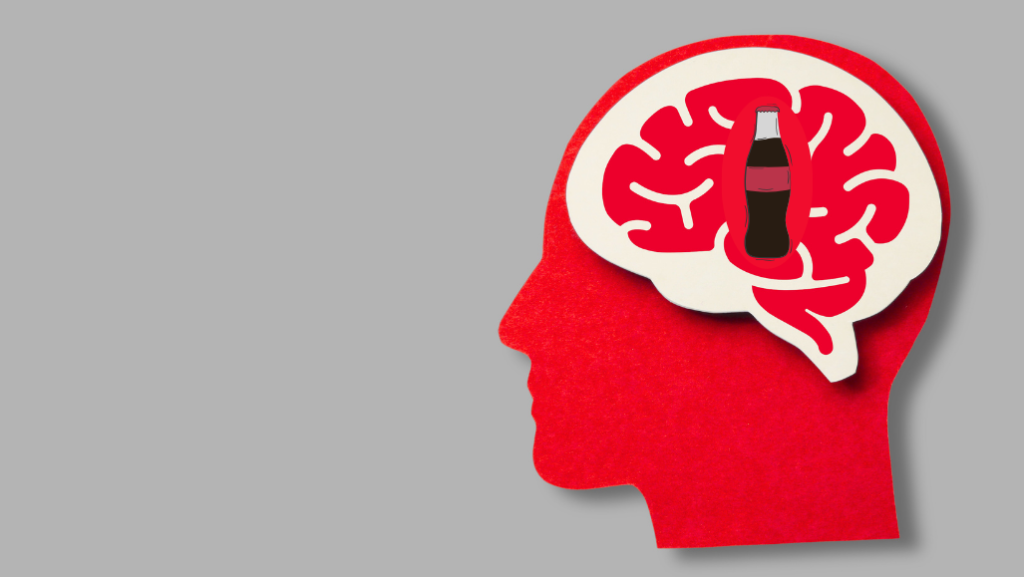
Later studies using fMRI scans showed that when people tasted Coke while knowing it was Coke, their hippocampus (the part of the brain linked to memory and emotion) lit up like a Christmas tree.
That means the Coca-Cola experience was not just about taste. It was about memory, nostalgia and emotion. Years of branding, storytelling and happy family ads had literally rewired consumers’ brains to associate Coke with positive feelings.
The drink did not just trigger taste satisfaction. It triggered identity and emotion. It was no longer “I like how this tastes” but “this feels like me.”
That is the magic of brand love.
Coca-Cola: A Masterclass in Top Funnel Branding
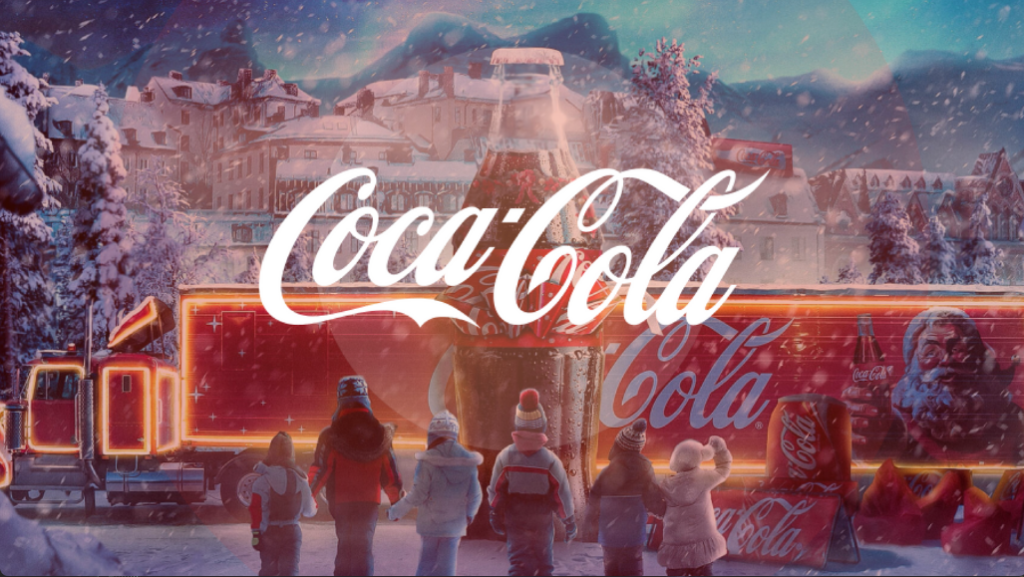
While Pepsi was winning taste tests, Coca-Cola was winning the memory game. They were not just selling a drink, they were selling moments. Over the decades, Coca-Cola invested heavily in what we now call top funnel marketing, the emotional brand-building work that shapes how consumers feel long before they ever make a purchase.
A few examples prove how clever this strategy was.
The Christmas Connection
Coca-Cola did not invent Santa Claus, but they might as well have. Their 1930’s campaign featuring the jolly red-suited Santa turned Christmas into a Coca-Cola season. Every December since, the brand has been synonymous with warmth, family and generosity. Competing with that kind of emotional association is nearly impossible.
The Everywhere Effect
In the 80’s and 90’s, Coca-Cola perfected brand ubiquity. You could not walk into a diner, restaurant or local shop without seeing that red logo. Even if you ordered water, you were sitting under a Coca-Cola sign. That constant exposure builds subconscious familiarity and familiarity builds trust.
The Happiness Narrative
Coca-Cola’s marketing has always focused on emotion, sharing and connection. Campaigns like Open Happiness and Share a Coke did not talk about ingredients or taste, they talked about belonging. That is neuromarketing gold.
The Sound of the Brand
Coca-Cola understood the power of sensory branding. The sound of a bottle cap opening or the fizz of a can became part of its identity. These sounds created a sensory trigger that instantly reminded consumers of refreshment and happiness before they even took a sip.
The Global Consistency
Another key success factor was consistency. No matter the country, language or culture, Coca-Cola’s message stayed rooted in optimism and unity. This consistent emotional tone helped embed the brand deeply into global culture and kept the brain’s emotional recognition pathways active.
Neuromarketing Takeaway: The Brain Buys Emotion Before Logic

The Pepsi Paradox proves that the rational brain, the one that evaluates taste, price or features, only plays a small role in decision-making. The emotional brain, powered by areas like the hippocampus, is the real decision-maker.
In other words, people do not just buy products, they buy feelings.
Brands that consistently invest in emotional storytelling at the top of the funnel can literally change how consumers experience their product. Coca-Cola did not have to win the taste test. It won the heart test.
What Brands Can Learn From This
If you are spending all your budget on performance campaigns and ignoring your brand story, you are playing the wrong game. The emotional groundwork that Coca-Cola built over decades is the reason why millions choose it instinctively without thinking.
Top funnel investment creates neural shortcuts. People buy what they recognise, trust and emotionally connect with.
So the next time someone says branding does not convert, remind them that even when Pepsi tasted better, Coca-Cola still won. Not because of flavour but because of feelings.
The Final Sip: The Modern Battle Continues
The Pepsi Paradox is not just a story about cola, it is about connection. It proves that great marketing does not just influence perception, it rewires it. Coca-Cola did not beat Pepsi by pouring more sugar into its formula. It did it by pouring meaning into its brand.
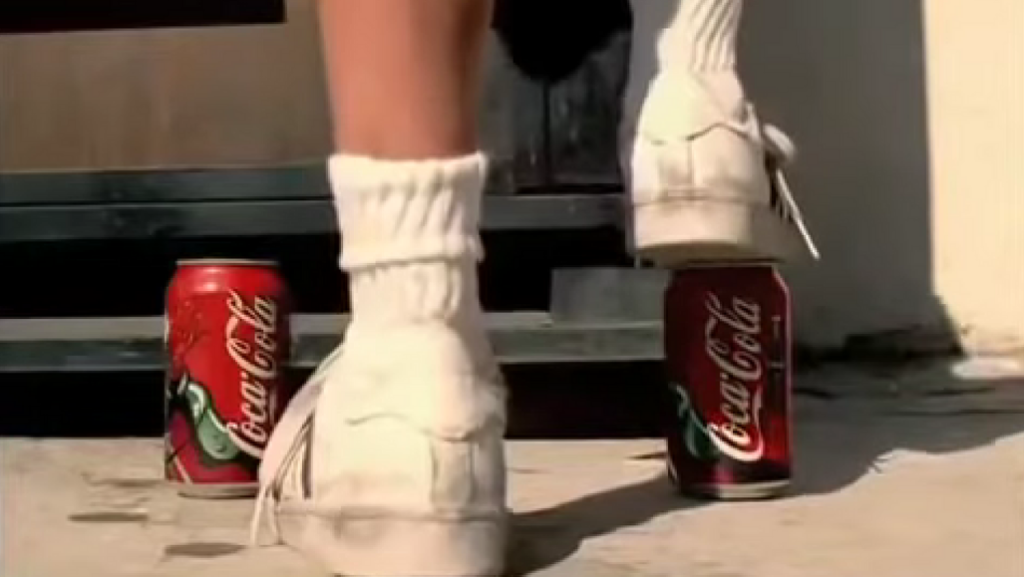
But Pepsi, to its credit, never stopped playing the game. Over the years, it has mastered the art of playful rivalry. One of the most memorable moments came in 2001, after reports showed that Coca-Cola was selling four times more than Pepsi. In response, Pepsi launched a cheeky commercial where a young boy walks up to a vending machine, buys two cans of Coca-Cola, places them on the ground and stands on them to reach the Pepsi button. He collects his Pepsi, leaves the Coke behind and walks away.
The message was simple but powerful. It reminded viewers that even when Coca-Cola was winning the numbers game, Pepsi was still winning the attitude game. The brand knew how to tap into youthful rebellion and clever humour, making it feel bold, witty and confident.
More recently, the campaign “Is Pepsi OK?” took a similarly self-aware approach to a long-standing truth. When a customer orders a Coke and the waiter replies “Is Pepsi OK?”, the brand leaned into that cultural moment with humour instead of frustration.
That single phrase turned a disadvantage into a personality trait. It made Pepsi feel confident and modern while reminding everyone that even in 2026, brand personality still matters. Coca-Cola may own the tradition, but Pepsi owns the wink.
Director of Digital Media